

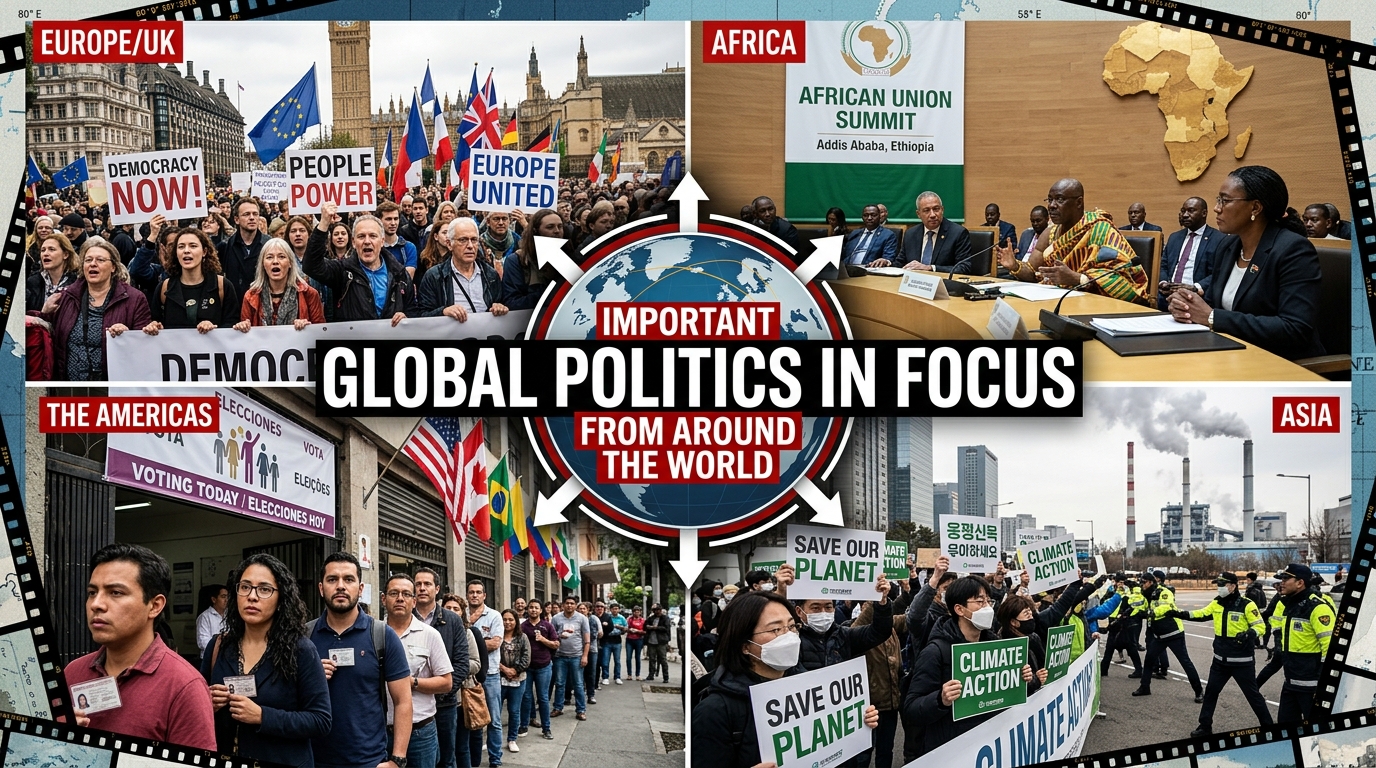
Important political stories from around the world continue to shape global stability, influence international relations, and redefine power structures between nations. From elections in major democracies and shifting alliances to ongoing conflicts and diplomatic negotiations, these developments affect economic policies, security strategies, and global cooperation. In today’s interconnected world, political changes in one region often create ripple effects that impact trade, migration, and international decision-making across continents.
| Political Region Focus | Global Impact |
|---|---|
| Elections | Leadership Change |
| Conflicts | Security Stability |
| Alliances | Strategic Power |
| Trade Policy | Economic Relations |
| Diplomacy | Global Cooperation |
Global Elections and Leadership Changes
Major Democratic Elections
Major democratic elections in influential countries determine leadership direction and policy priorities that impact global politics. These elections influence foreign relations, economic reforms, and defense strategies. Outcomes often shift international alliances and reshape global diplomatic engagement between nations.
Leadership Transitions Impact
Leadership transitions bring significant changes in government policies and international relationships. New leaders may revise trade agreements, climate commitments, and security partnerships. These transitions create uncertainty but also open opportunities for renewed diplomatic cooperation and strategic adjustments globally.
Political Party Shifts
Political party shifts within governments influence domestic and international policy decisions. Changes in ruling parties often lead to adjustments in economic strategies, social reforms, and foreign policy direction. These shifts affect global markets and international cooperation frameworks.
Election Security Concerns
Election security concerns are increasing due to cyber threats and misinformation campaigns targeting democratic processes. Governments are investing in digital protection systems and transparency measures. Secure elections are essential for maintaining public trust and political stability worldwide.
Voter Participation Trends
Voter participation trends reflect public engagement in democratic systems and influence election outcomes. High or low turnout impacts political legitimacy and policy direction. Governments and organizations encourage participation to strengthen democratic institutions and governance effectiveness.
International Conflicts and Security
Ongoing Regional Conflicts
Ongoing regional conflicts continue to affect global peace and security by causing instability, displacement, and economic disruption. These conflicts often involve multiple countries and external powers, influencing international diplomacy and defense strategies across regions.
Ceasefire and Peace Talks
Ceasefire negotiations and peace talks aim to resolve conflicts through diplomatic dialogue and international mediation. These efforts focus on reducing violence, building trust, and creating long-term political solutions. Successful negotiations often require cooperation from multiple stakeholders.
Military Tensions Escalation
Military tensions between nations are rising in several regions due to territorial disputes and strategic competition. Increased military activity affects global security balance and raises concerns about potential conflict escalation and international intervention.
Arms Control Agreements
Arms control agreements are designed to limit the development and spread of weapons, particularly nuclear and advanced military systems. These agreements help reduce global tensions and promote stability through verified international cooperation.
Cyber Warfare Threats
Cyber warfare is emerging as a major security threat involving attacks on government systems, infrastructure, and communication networks. Countries are strengthening cybersecurity defenses to protect critical digital assets and prevent international disruptions.
Global Alliances and Diplomacy
NATO Strategic Developments
NATO continues to play a key role in global security by strengthening defense cooperation among member nations. Strategic developments include expanded military readiness and coordinated responses to international threats affecting regional stability.
United Nations Peace Efforts
The United Nations remains central to global diplomacy by mediating conflicts and promoting peacekeeping missions. It facilitates dialogue between nations and coordinates humanitarian aid during crises, influencing global political cooperation.
Regional Political Blocs
Regional political blocs enhance cooperation among neighboring countries through trade agreements, security partnerships, and diplomatic coordination. These alliances strengthen economic integration and improve regional stability across continents.
Bilateral Relations Growth
Bilateral relations between countries are evolving through trade agreements, diplomatic visits, and strategic partnerships. Strong bilateral ties improve economic cooperation and reduce political tensions between nations.
Global Summit Meetings
Global summits bring world leaders together to discuss pressing international issues such as climate change, security, and economic development. These meetings shape global policies and foster diplomatic collaboration.
Middle East Political Developments
Regional Power Competition
Power competition in the Middle East influences global energy markets and international diplomacy. Rivalries between countries affect regional stability and attract involvement from global powers seeking strategic influence.
Peace Negotiation Efforts
Peace negotiations in the region aim to resolve long-standing conflicts through diplomatic dialogue and international mediation. These efforts are crucial for achieving long-term stability and reducing humanitarian crises.
Energy Politics Influence
Energy resources, especially oil and gas, play a major role in shaping political relationships in the Middle East. Control over energy supplies influences global markets and diplomatic negotiations.
Refugee and Humanitarian Issues
Conflicts in the region have led to large-scale displacement and refugee movements. Humanitarian organizations and governments work together to provide aid and support resettlement efforts for affected populations.
Diplomatic Normalization Agreements
Diplomatic normalization agreements are reshaping relationships between countries in the region by improving cooperation and reducing historical tensions. These agreements influence regional stability and international relations.
Asia Pacific Geopolitical Trends
South China Sea Disputes
Territorial disputes in the South China Sea continue to create tension among regional powers. These disputes affect global trade routes and military positioning, drawing international attention and diplomatic engagement.
China Global Influence
China’s growing global influence is shaping international trade, infrastructure development, and diplomatic relationships. Its policies impact global economic systems and geopolitical balance.
United States Asia Strategy
The United States continues to strengthen its strategic presence in Asia through alliances, military cooperation, and economic partnerships. This strategy influences regional security and diplomatic relations.
India Rising Global Role
India’s expanding economic and political influence is strengthening its role in global affairs. Increased diplomatic engagement and trade partnerships enhance its international position.
ASEAN Cooperation Strengthening
ASEAN countries are enhancing regional cooperation through trade agreements, security coordination, and economic integration. This strengthens stability and collaboration in the Asia Pacific region.
Europe Political Landscape
European Union Policies
The European Union continues to shape regional governance through economic regulations, environmental policies, and political cooperation. EU decisions influence global trade and diplomatic relations.
Energy Security Challenges
Europe faces energy security challenges due to global supply disruptions and geopolitical tensions. Countries are diversifying energy sources to ensure stability and reduce dependency risks.
Migration Policy Debates
Migration remains a key political issue in Europe, influencing domestic policies and regional cooperation. Governments are balancing humanitarian responsibilities with security concerns.
Defense Cooperation Expansion
European nations are increasing defense cooperation to strengthen security and respond to global threats. Joint military initiatives improve readiness and strategic coordination.
Economic Reform Discussions
Economic reforms in Europe focus on growth, inflation control, and digital transformation. These policies impact both regional stability and global financial systems.
Human Rights and Global Governance
Human Rights Advocacy
Human rights advocacy plays a major role in shaping international political discussions. Organizations and governments work to protect freedom, equality, and justice worldwide.
Global Refugee Policies
Global refugee policies aim to manage displacement crises through international cooperation and humanitarian assistance. These policies influence diplomatic relations and domestic political debates.
Climate Policy Negotiations
Climate negotiations focus on reducing emissions and promoting sustainability. These discussions shape global agreements and influence national environmental policies.
International Law Enforcement
International law enforcement ensures accountability in global conflicts and crimes. Institutions work together to uphold legal standards and promote justice.
Global Development Aid
Development aid programs support economic growth and poverty reduction in developing countries. These initiatives strengthen diplomatic ties and global stability.
What are the most important global political news topics?
Key topics include elections, conflicts, alliances, trade policies, climate diplomacy, and international security.
Why is global political news important?
It helps people understand international relations, economic impacts, and global stability issues.
How do conflicts affect global politics?
Conflicts influence trade, security alliances, migration, and diplomatic relations between countries.
What role do elections play in world politics?
Elections determine leadership changes that shape foreign policy and international cooperation.
How do alliances influence global stability?
Alliances strengthen defense cooperation, improve security, and balance geopolitical power.
Important political stories from around the world continue to shape global stability, influence international relationships, and redefine power structures across nations. From elections and conflicts to alliances and diplomatic negotiations, these developments impact economies, security systems, and global cooperation. Understanding world politics helps individuals stay informed about shifting global dynamics and the interconnected nature of modern international affairs.
