

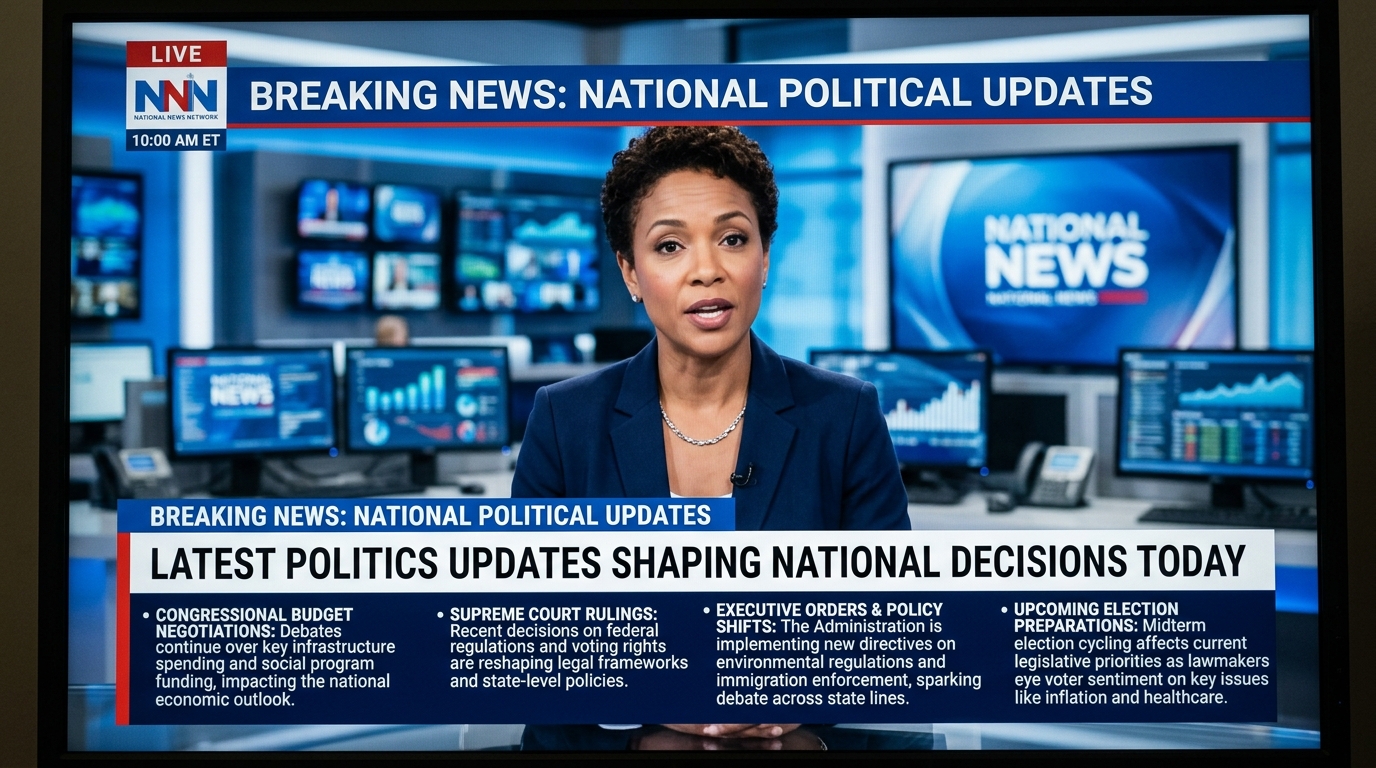
Across the world, governments are currently focused on economic pressure, public dissatisfaction, security threats, and shifting political alliances. Many national decisions are being influenced by rising living costs, defense concerns, and growing public demand for structural reform in governance systems.
Global Governance and Policy Shifts
Rising Debate on Public Ownership and Reform
Governments in several countries are reconsidering privatization policies as public pressure grows for stronger state control of essential services like transport, energy, and utilities. Political leaders are balancing market stability with voter demands for affordability and accountability.
Fiscal Tightening and Budget Decisions
National governments are adopting stricter fiscal policies due to rising debt and inflation pressures. Finance ministries are prioritizing deficit reduction while trying to protect public spending on healthcare, infrastructure, and social welfare programs.
Institutional Reforms Under Review
Electoral systems, parliamentary rules, and administrative structures are being debated in multiple countries as political parties push for reforms aimed at improving transparency and efficiency in governance.
Policy Push on National Security
Many governments are expanding defense budgets and revising security frameworks in response to geopolitical tensions and regional instability, particularly in Europe and the Middle East.
Environmental Legislation Expansion
Climate-related policies are increasingly shaping national agendas, with governments introducing stricter regulations on emissions, energy transition, and environmental protection measures.
Election Trends and Political Realignments
Shifting Party Dominance in Regions
Recent elections in several regions have led to major political realignments, including historic shifts where long-dominant parties lost ground to emerging political movements and regional parties.
Rise of Independent and New Political Groups
Independent candidates and new political alliances are gaining momentum as voters express dissatisfaction with traditional party systems and demand fresh leadership approaches.
Coalition Governments Increasing
Hung parliaments and fragmented results are forcing coalition-building, leading to more negotiated policymaking and slower legislative processes in several democracies.
Electoral Reform Debates Intensify
Governments are debating changes to voting systems, campaign financing rules, and parliamentary representation to address fairness and political stability concerns.
Voter Turnout and Public Engagement
Political participation remains a key issue, with many nations focusing on increasing voter turnout and addressing public trust in democratic institutions.
International Relations and Diplomatic Decisions
Peace Negotiations and Conflict Mediation
Diplomatic efforts are intensifying in several conflict zones, with global powers pushing for negotiated settlements and ceasefire agreements to stabilize volatile regions.
Strategic Alliances and Defense Cooperation
Countries are strengthening military alliances and bilateral agreements to counter regional threats and improve collective security arrangements.
Trade Agreements Reshaping Policy
New international trade agreements are influencing domestic policy decisions, especially in tariffs, exports, and supply chain restructuring.
Sanctions and Foreign Policy Pressure
Economic sanctions remain a key tool in international diplomacy, affecting national policy decisions and reshaping global trade relations.
Multilateral Organization Influence
Institutions like the United Nations and regional blocs continue to guide national policy alignment on security, climate, and economic governance.
Economic Pressure Influencing National Politics
Inflation Driving Political Decisions
High inflation continues to pressure governments into adjusting interest rates, subsidies, and welfare programs to protect household incomes.
Energy Prices Affecting Policy
Volatile energy markets are forcing governments to redesign energy policies and explore alternative supply sources to stabilize domestic economies.
Public Debt Concerns Rising
Many nations are prioritizing debt reduction strategies, impacting long-term investment decisions in infrastructure and public services.
Employment and Labor Policy Changes
Governments are updating labor laws and workforce policies to address automation, job displacement, and changing economic structures.
Social Welfare Adjustments
Rising cost-of-living pressures are leading to expanded social support programs in some countries, while others are tightening eligibility rules.
Security and Defense Policy Updates
Rising Global Security Threats
Governments are increasing surveillance and intelligence spending due to concerns over terrorism, cyberattacks, and hybrid warfare risks.
Military Budget Expansion
Defense spending is rising in multiple regions as countries respond to geopolitical instability and strengthen national security frameworks.
Border and Migration Policy Tightening
Migration flows driven by conflict and climate pressures are prompting stricter border control and asylum policy reforms.
Cybersecurity Strategy Development
National cybersecurity frameworks are being upgraded to protect critical infrastructure and digital government systems from increasing attacks.
International Defense Collaboration
Allied nations are expanding joint military exercises and intelligence-sharing agreements to improve regional stability.
Domestic Political Stability and Public Pressure
Public Protests Influencing Policy
Citizen protests over cost of living, governance transparency, and social justice are directly influencing national policy decisions.
Trust in Government Institutions
Many governments are facing declining public trust, prompting reforms aimed at improving accountability and transparency.
Leadership Challenges and Party Disputes
Internal party conflicts and leadership contests are shaping political agendas and affecting legislative stability.
Legislative Gridlock in Parliaments
Polarization in many democracies is causing delays in passing key legislation and slowing down policy reforms.
Media and Political Accountability
Increased media scrutiny and digital activism are influencing political narratives and shaping national decision-making processes.
Technology and Digital Governance in Politics
Digital Policy Expansion
Governments are introducing new digital governance frameworks to regulate online platforms and protect digital rights.
AI Regulation in Public Policy
Artificial intelligence is becoming a key political issue, with governments developing laws to manage its use in public services and industry.
Cyber Law Enforcement Growth
Law enforcement agencies are expanding digital investigation capabilities to address cybercrime and online threats.
Data Privacy Legislation Updates
Stronger data protection laws are being implemented to safeguard citizens’ personal information and regulate tech companies.
E-Government Services Expansion
Countries are increasing investment in digital government platforms to improve public service delivery and reduce bureaucracy.
FAQs
What is influencing global political decisions today?
Economic pressure, security concerns, elections, and international conflicts are the main factors shaping decisions.
Why are governments changing economic policies now?
High inflation, debt levels, and energy costs are forcing fiscal and monetary adjustments.
How are elections affecting global politics?
Recent elections are reshaping leadership, coalition structures, and policy directions worldwide.
What role does security play in national decisions?
Security threats are increasing defense spending and influencing foreign policy strategies.
How is technology affecting politics today?
AI, cybersecurity, and digital governance are becoming central issues in policymaking.
Conclusion
Global politics today is being shaped by economic pressure, security challenges, electoral changes, and rising public demand for reform. Governments are adjusting policies to manage instability while maintaining growth and stability. As international relations evolve, national decisions are increasingly interconnected, reflecting a world where political outcomes are driven by both domestic needs and global pressures.
